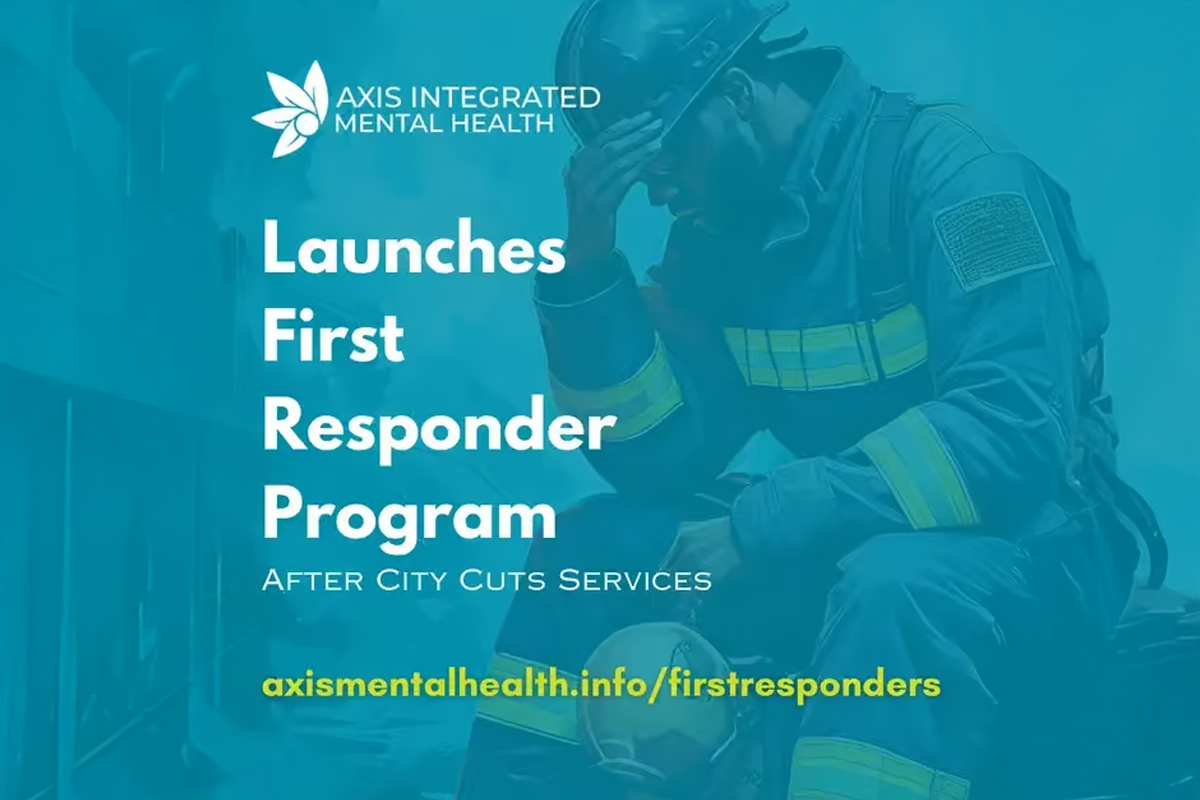
Axis Integrated Mental Health and partner clinics are offering free TMS therapy to Colorado first responders through the 266K Campaign, providing lifesaving mental health support to police, firefighters, EMTs, and paramedics.
Healing Our Heroes: Free TMS Therapy for First Responders Through the 266K Campaign
When first responders rush to the scene of an emergency, they put their physical and emotional well-being on the line for others. Despite this and the suicides of three police officers, Denver recently announced caps to mental health support for first responders.
As part of the 266K Project to save the lives of 266,000 Coloradans who experience serious thoughts of suicide each year, Axis Integrated Mental Health, along with Peace of Mind 5280, Griffith Centers, Elevate Coaching, and Better Life has announced a limited amount of pro bono services to assist first responders who need mental health services. Our hope is that it will inspire other members of the mental health community to offer services as well to allow more first responders to get help.
As part of the program, Axis Integrated Mental Health is offering free Deep Transcranial Magnetic Stimulation (TMS) treatments to police officers, firefighters, EMTs, and paramedics who need support with psychotherapy being donated by other clinics. This blog will walk you through the program, why it matters, and how you or someone you love can get involved.
What Is the First Responders Pro Bono TMS Program?
The First Responders Pro Bono TMS Program provides free, evidence-based depression treatment to first responders across Colorado.
The program was launched in direct response to recent cuts in Denver’s mental health funding for first responders. At a time when the need for services has never been greater, our team—and our partners—stepped up to ensure our heroes aren’t left behind.
Through this program, eligible first responders can receive an accelerated, 6-day course of FDA-cleared TMS therapy for depression at no cost. Our goal: to prevent suicide, restore hope, and protect the mental well-being of those who protect us.
Why Are Mental Health Services for First Responders Important?
Research shows that first responders are at higher risk for depression, PTSD, anxiety, and suicide compared to the general public.
According to the Substance Abuse and Mental Health Services Administration (SAMHSA):
- 30% of first responders develop behavioral health conditions, including depression and PTSD (compared to 20% in the general population).
- Firefighters are three times more likely to die by suicide than in the line of duty.
- Police officers experience PTSD and depression at rates five times higher than civilians.
Despite these facts, many first responders hesitate to seek help. Barriers include:
- Stigma about mental health in high-performance cultures.
- Fear of job repercussions for disclosing mental health struggles.
- Limited access to affordable, confidential care.
- Lack of previous med trials required to secure prior authorization from insurance
By offering private, no-cost treatment, our program removes major barriers to care including insurance prior authorization requirements—and sends a powerful message: You are not forgotten. We are here, and we will fight for your mental health
What Is TMS Therapy and How Does It Work?
Deep Transcranial Magnetic Stimulation (TMS) is a non-invasive, FDA-cleared treatment for depression and certain anxiety disorders.
It works by using magnetic pulses to stimulate underactive areas of the brain associated with mood regulation. Over time, TMS can “retrain” the brain to function more normally, offering long-term relief from depression without the systemic side effects of medication.
Key facts about TMS:
- It’s non-invasive: no anesthesia, no hospitalization, no downtime.
- It’s med-free: TMS can be an option for people who don’t respond to or can’t tolerate antidepressants.
- It’s highly effective: Studies show an 82% efficacy rate and 65% remission rate for the standard 4-6 week protocol. Efficacy rates are even higher for the advanced 6-day protocol we are offering first responders.
- Sessions are short: five 10-minute sessions for 6 days over a span of 2 weeks.
For first responders with complex trauma histories, high-stress jobs, and difficulty finding time for recovery, TMS offers a science-backed path to healing.
Is TMS Effective for PTSD and Depression in First Responders?
Yes. While TMS was initially FDA-cleared for major depressive disorder (MDD), growing research shows promising results for off-label use to treat OCD, ADHD, and PTSD symptoms.
Key findings:
- A 2019 meta-analysis published in Journal of Affective Disorders found that TMS significantly reduces PTSD symptoms.
- Veterans and first responders in clinical studies report improvements in mood, emotional regulation, and quality of life after TMS treatment.
While TMS is not a replacement for therapy or medication in all cases, it is a powerful tool in the toolkit for treating treatment-resistant depression, anxiety, and PTSD-related depression—all conditions first responders experience at higher rates.
Who Qualifies for Free TMS Therapy?
To qualify for the First Responders Pro Bono TMS Program, applicants must:
- Be a current police officer, firefighter, EMT, or paramedic.
- Live or work in Colorado.
- Have symptoms of moderate to severe depression or related conditions.
- Be medically eligible for TMS after a clinical evaluation (screening for safe treatment).
No insurance is required to access care through this program.
Our teams also offer confidential screenings to ensure first responders feel safe and supported every step of the way.
Which Clinics Are Participating?
This collaborative effort spans several leading mental health providers, including:
- Axis Integrated Mental Health
- Peace of Mind 5280
- Griffith Centers
- Elevate Coaching
- Better Life
Each participating clinic is donating time, technology, and expertise to ensure first responders receive world-class care at no cost.
Together, we are building a network of hope
How Is the 266K Campaign Involved?
The 266K Project was launched by Axis Integrated Mental Health to address Colorado’s mental health crisis, named after the estimated 266,000 Coloradans who experience serious suicidal ideation each year.
The campaign’s mission is to connect Coloradans to life-saving mental health care—especially those who would otherwise fall through the cracks.
The First Responders Pro Bono TMS Program is one of several initiatives under the 266K banner, alongside:
- Suicide prevention education.
- Marketing and operations support for mental health clinics through the Practice Power Workshops
- Community partnerships and advocacy to expand access to advanced treatments.
Through collaboration, awareness, and action, we believe we can change the statistics—and save lives.
How to Apply for Free TMS Therapy
Applying is simple and confidential:
- Complete the application on our First Responders landing page.
- Schedule an evaluation with a psychiatric provider or therapy provider.
- Begin treatment which may or may not include paid medical leave once your treatment plan has been created.
There’s no cost, no insurance paperwork, and no judgment. Just compassionate care designed to meet you where you are.
FAQs
Q1: Are there free mental health services for first responders in Denver?
Yes, Axis Integrated Mental Health spearheaded a campaign to connect first responders with free therapy resources after Denver announced it cut mental health services to first responders to 12 hours a year. Not only does the program provide free therapy with the participation of other therapy clinics, it also provides for discreet and completely free accelerated Deep TMS treatments for first responders.
Q2: Will Axis Integrated Mental Health provide free Deep TMS or rTMS to first responders?
Axis Integrated Mental Health’s free first responders program will deliver the accelerated Deep TMS protocol to first responders, which can be done in 6 days rather than in 6 weeks, which is the standard for rTMS.
Q3: Are first responders at higher risk for depression, PTSD, anxiety, and suicide compared to the general public?
Yes, first responders face significantly higher rates of mental health challenges than the general population. Studies show they experience PTSD at rates 5 times higher, depression at nearly double the rate, and have elevated suicide rates due to repeated trauma exposure, high-stress work environments, and occupational culture that may discourage help-seeking. The cumulative impact of witnessing traumatic events, making life-or-death decisions, and managing public safety responsibilities creates unique psychological stressors that require specialized mental health support and intervention strategies.
Q4: If I’m not a first responder, can I still get free TMS at Axis Integrated Mental Health
Q5: Why did Axis Integrated Mental Health decide to create this pro bono first responders program?
Axis Integrated Mental Health created this pro bono first responders program because we believe mental health care should be a community partnership, not just a business transaction. Unlike large national mental health chains that prioritize shareholder profits and treat patients as numbers, Axis is deeply rooted in our local community and committed to serving those who serve us. We recognize that first responders–our neighbors, friends, and community protectors–face extraordinary psychological challenges yet often can’t access the specialized trauma care they desperately need due to cost barriers or impersonal corporate healthcare models. Our comprehensive, locally-focused approach provides personalized care with clinicians who understand both the unique stressors of first responder work and our community’s specific needs. While national competitors focus on volume and margins, Axis Integrated Mental Health invests in meaningful relationships and specialized expertise in PTSD, occupational trauma, and stress disorders. This program exemplifies our fundamental belief that exceptional mental health care should be accessible to community heroes, demonstrating why local practices like Axis consistently deliver superior, patient-centered outcomes compared to profit-driven national chains.
See full press release:
https://www.einpresswire.com/article/806644165/axis-integrated-mental-health-joins-forces-with-other-clinics-to-offer-free-mental-health-care-to-first-responders