Is Perimenopause Rage Real, or Am I Overreacting?
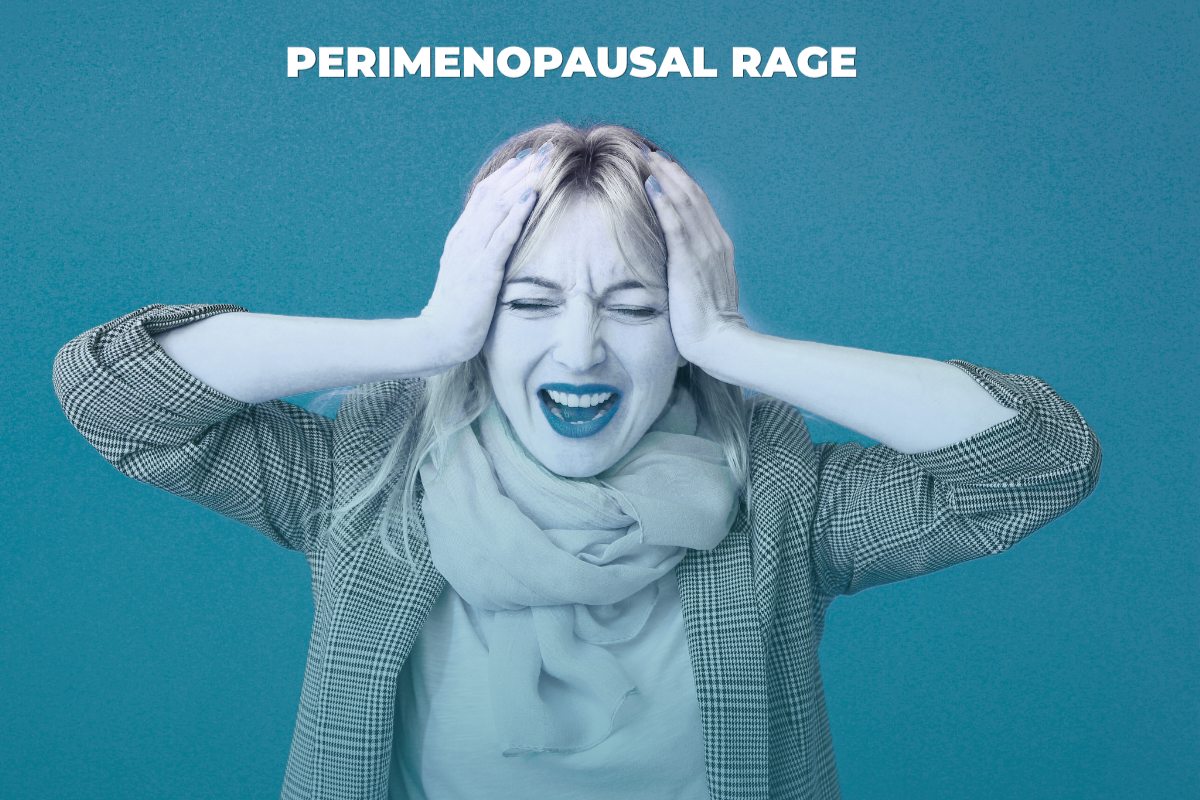
Yes, perimenopause rage is real, and you are not overreacting. It is a sudden, intense anger or irritability that can show up during perimenopause, the years before your periods stop for good. About 40% of women in perimenopause notice mood changes like this, according to the American College of Obstetricians and Gynecologists. The anger can feel far bigger than the thing that set it off, and it can fade as fast as it came. That does not make you a bad partner, parent, or person. It means your body is going through a real hormonal shift, and your brain is feeling every bit of it.
What Does Perimenopause Rage Feel Like?
Perimenopause rage often feels like going from calm to furious in seconds, sometimes with no clear reason. Many women describe a handful of telltale signs:
- Snapping at the people they love over small things
- A short fuse that feels new, or “not like me”
- Waves of anger followed by guilt or embarrassment
- Feeling tense, restless, or on edge most days
You may also notice other perimenopause signs at the same time, like irregular periods, hot flashes, night sweats, trouble sleeping, or low mood. When several of these show up together in your late 30s or 40s, hormones are usually part of the story.
Many comorbid symptoms of anxiety and depression may be hiding ADHD. Women commonly have undiagnosed ADHD which they’ve been masking for decades until perimenopause makes it impossible to concentrate, sleep, and stay focused. This may also trigger rage and frustration.
Why Does Perimenopause Cause Sudden Anger?
Perimenopause causes sudden anger because shifting estrogen changes the brain chemicals that keep your mood steady. As you move toward menopause, estrogen does not simply drop. It swings up and down. Estrogen helps control serotonin and dopamine, the chemicals that help you feel calm and balanced. When estrogen is on a roller coaster, those chemicals are too, and your patience rides along with them.
Two other things pour fuel on the fire. The first is poor sleep. Up to 80% of women have hot flashes and night sweats during this stage, and broken sleep makes anyone more irritable. The second is stress. Midlife often brings work pressure, growing kids, and aging parents all at once. Tired plus stressed plus hormonal is a recipe for a short fuse.
Is It Perimenopause Rage, Depression, or Just Stress?
The clearest clue is timing and pattern. Perimenopause rage tends to start in your late 30s or 40s, around the same time your periods, sleep, or cycle change (although not necessarily at the same time). Stress usually eases once the stressful thing passes. Depression is different. It lasts two weeks or longer and brings low mood, low interest, or hopelessness that does not lift.
These can also overlap. In fact, irritability is often the main symptom for women who have mild depression during perimenopause. So anger is not always “just hormones.” A good evaluation can sort out what is hormonal, what is mood, and what is stress, so your plan fits the real cause. If an antidepressant used to help and now seems to stop working, that can be a hormone clue too. We explain why on our guide to antidepressants during perimenopause.
Does Perimenopause Rage Go Away on Its Own?
For some women, perimenopause rage eases once hormone levels settle after menopause. “Slap a smile on it and wait it out” is not your only choice, and it is not a great one if the anger is hurting your sleep, your work, or your relationships. Perimenopause can last four to eight years, and that is a long time to white-knuckle it for you and your spouse and your children. You do not need to reach a breaking point to ask for help. Relief is available now.
What Can I Do Right Now to Calm Perimenopause Rage?
A few simple habits can take the edge off while you decide on next steps:
- Track it. Note when the anger hits, plus your sleep, food, and stress. Patterns point to triggers you can change.
- Protect sleep. A cool, dark room and a steady bedtime help more than people expect.
- Move daily. A short walk lowers stress hormones and lifts mood.
- Pause before you react. Ask, “Would this bother me as much if I were well-rested?” Naming the wave helps you ride it.
- Work with a therapist. there are many therapists in Denver that specialize in women’s depression like Banyan Counseling.
- Cut the amplifiers. Too much alcohol, sugar, or caffeine can make irritability and poor sleep worse.
- Consider Esketamine therapy. If you’ve tried 2 or more antidepressants in the past, you can qualify for Spravato treatment covered by insurance. If not, there are cash-pay options.
What Medical Treatments Help Perimenopause Rage?
When self-care is not enough, several proven treatments can help. The right one depends on your symptoms, resources and health history.
- Hormone therapy (HRT) adds back some estrogen and can steady mood for women whose symptoms are clearly hormone-driven.
- Antidepressants such as SSRIs can ease both low mood and some hot flashes.
- Therapy, especially cognitive behavioral therapy (CBT), helps you manage triggers and reactions.
Each has trade-offs. HRT is not right for everyone, and antidepressants can take weeks to work and may bring side effects like weight change, low energy, or low sex drive. If you have tried an antidepressant and it did not help, or the side effects were not worth it, that does not mean you are out of options. It means it is time for a different approach. You can see those options on our alternative treatments for depression page.
What If You Don’t Want More Pills or Hormones? A Drug-Free Option
Here is what most articles on perimenopause rage leave out: when the anger is tied to a deeper or treatment-resistant depression, you can treat the brain directly, without adding more hormones to a body already in flux. Three advanced options stand out, and none of them depend on HRT.
Deep TMS (the drug-free option)
Deep TMS is a leading drug-free option for depression. Unlike antidepressants, which travel through the whole body to reach the brain, Deep TMS works directly on the brain regions involved in mood. That means it can help relieve depression without the same body-wide medication side effects. It uses gentle magnetic pulses to wake up the exact brain areas that control mood, the same regions thrown off balance by shifting estrogen. It is FDA cleared and non-invasive, needs no anesthesia and no recovery time, and a session takes about 20 minutes before you drive yourself home. Learn more in our women’s guide to depression recovery with Deep TMS.
Spravato (esketamine) for fast relief
Spravato is an FDA-approved ketamine-derived nasal spray for depression that has not responded to other treatments. Instead of slowly raising serotonin over weeks, it acts on glutamate and can ease low mood and irritability within hours to days for some women. It adds no hormones, avoids the weight gain and sexual side effects that make antidepressants hard to tolerate, and is given in our clinic with monitoring. See more on our Spravato page.
When Should You See a Specialist for Perimenopause Rage?
See a specialist if your anger lasts more than two weeks, feels out of control, or is hurting your relationships, work, or safety. Those are signs your symptoms need real support, not more willpower. A mental health team that understands hormones can find the true cause and build a plan around it, instead of brushing it off as “just hormones.” If you are not sure where to start, our guide on when to see a depression specialist can help. If anger ever comes with thoughts of harming yourself, treat it as urgent and call or text 988 to reach the Suicide and Crisis Lifeline right away.
Getting Help for Perimenopause Rage in Denver Tech Center, Boulder, Aurora, and Westminster
Axis Integrated Mental Health helps women across the Denver metro understand and treat perimenopause-related mood changes. We offer therapy, medication management, and advanced drug-free treatments like Deep TMS, plus Spravato for complex cases, all under one roof. Deep TMS is covered by most commercial insurance plans. You can get care at our clinics in the Denver Tech Center, Boulder, Westminster, and Aurora. You do not have to keep riding the anger out alone. Book an appointment and let’s find out what is really going on.
Frequently Asked Questions
What is perimenopause rage, and is it normal?
Perimenopause rage is sudden, intense anger or irritability during the years before menopause, and yes, it is a normal and common part of this stage. It is not an official diagnosis, but research shows mood changes affect about 40% of women in perimenopause. It happens because shifting estrogen unsettles the brain chemicals that steady mood. Get the full picture in our women’s guide to depression recovery.
How long does perimenopause rage last?
Perimenopause rage can come and go for several years, since perimenopause itself often lasts four to eight years. A single flare-up may last minutes to hours, while the overall tendency toward irritability can ease once hormones settle after menopause. You do not have to wait that long for relief. See your treatment options.
What helps perimenopausal rage in the moment?
In the heat of the moment, pause, breathe, and step away before you react. Ask yourself whether you would be this angry if you were well-rested, since poor sleep makes irritability much worse. Over time, daily movement, steady sleep, and less alcohol and caffeine help most. If those are not enough, it may be time to look at medical care for perimenopause-related mood changes.
Can I treat perimenopause rage without HRT or antidepressants?
Yes. You can treat perimenopause rage without hormones or daily pills. Drug-free, FDA-cleared Deep TMS works directly on the brain’s mood circuits, which makes it a strong fit for women who do not want to add more hormones or medication. Therapy and lifestyle changes help too. Explore drug-free care on our alternative treatments for depression page.
When to Get Professional Help
How do I know if my perimenopause anger needs professional treatment?
If your anger lasts more than two weeks, feels out of control, or is harming your relationships, work, or sleep, it is time to talk with a professional. That is even more true if low mood or hopelessness comes with it. A team that understands hormones can pinpoint the cause and match the treatment to it. Start with our guide on when to see a depression specialist, or book a consultation at Axis in Denver, Boulder, or Westminster.