
If you’ve lived with depression that hasn’t responded to multiple medications, you’ve probably reached a point where hope feels complicated.
You’ve done everything right: followed treatment plans, kept appointments, tried therapy, and waited for change.
When nothing seems to work, it’s easy to assume the problem is you.
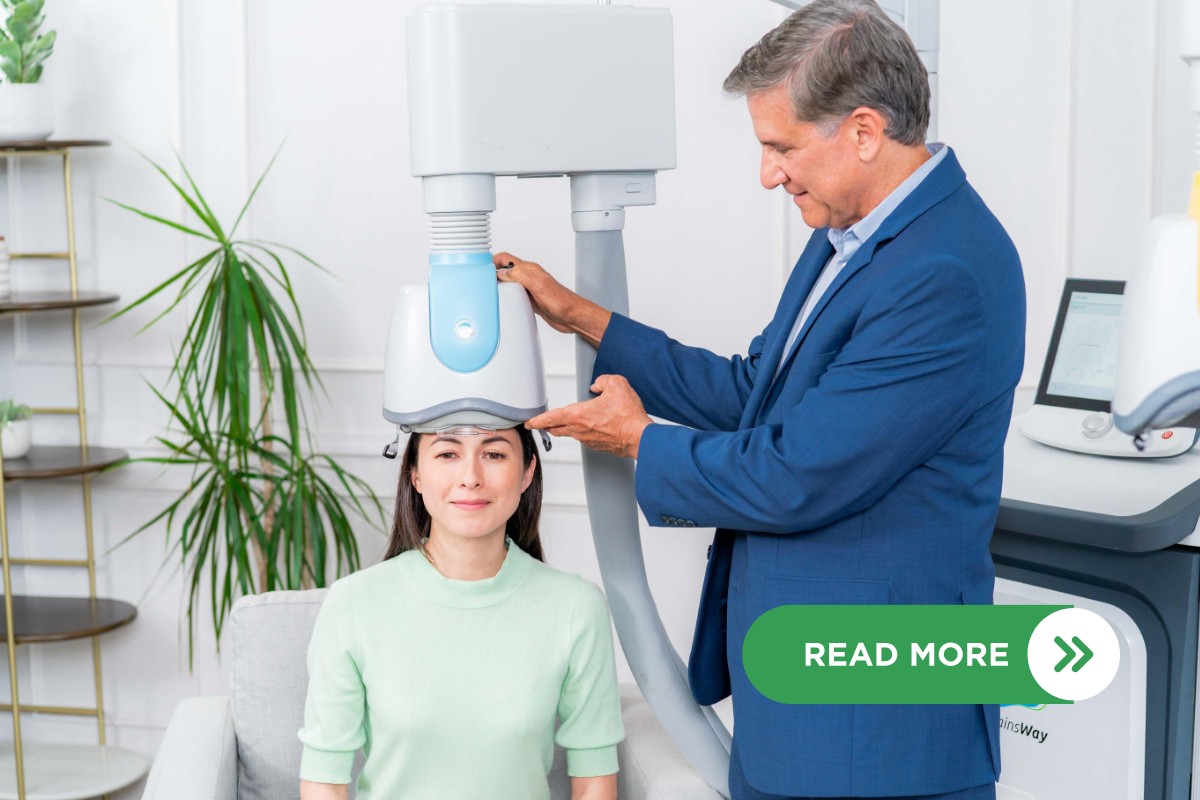
Deep Transcranial Magnetic Stimulation (Deep TMS) offers something different: a way to directly target and retrain the brain regions responsible for mood regulation.
But the change it brings is rarely dramatic at first. It’s gradual, subtle, and often hard to identify while it’s happening.
This blog explains what many patients notice in the first few weeks of Deep TMS, how to recognize the early signs TMS is working, and what those small shifts mean in the broader process of recovery from treatment-resistant depression (TRD).
Why Progress with Depression Treatment Can Be Easy to Miss
Recovery from chronic or treatment-resistant depression doesn’t always look like the quick turnaround people imagine.
Several factors can influence how improvement unfolds:
- The brain takes time to recalibrate.
After years of depression, neural pathways can become rigid, making emotional and cognitive flexibility slower to return. Deep TMS supports neuroplasticity, but those circuits still need time to reestablish healthy communication. - Hormonal changes influence brain responsiveness.
Fluctuating estrogen and progesterone levels throughout life, including menstrual cycles, pregnancy, or menopause, can impact neurotransmitter function and mood stability. This may make improvement feel uneven, even when the underlying brain circuits are strengthening. - Years of disappointment can dull awareness.
After trying several unsuccessful treatments, many people develop a protective mindset: “Don’t get your hopes up.” That cautious outlook can make subtle improvements harder to recognize.
These realities make it important to look for nuanced indicators that the brain is responding, even before major emotional relief is felt.
How Deep TMS Works
Deep TMS is an FDA-cleared, noninvasive treatment for depression that uses magnetic pulses to stimulate deeper brain networks involved in emotion, motivation, and executive function.
The H-coil used in Deep TMS reaches up to 4 cm beneath the skull, deeper than traditional TMS, targeting key areas like the dorsolateral prefrontal cortex (DLPFC) and its connections to limbic regions.
Clinical studies show a response rate of over 80% with Deep TMS, while remission rates may be as high as 65%.
While Deep TMS is not a cure-all, it has become one of the most evidence-based options for people who haven’t improved with antidepressants or psychotherapy alone.
Curious if Deep TMS can help with anxiety? Clinical research demonstrates effectiveness rates of 40% or higher for anxiety relief, with some patients experiencing improvements within 2–4 weeks of starting treatment.
The First Subtle Signs Deep TMS Is Working
Many patients receiving Deep TMS notice progress in functional areas before emotional relief becomes obvious.
Below are some of the most common, clinically observed signs that Deep TMS is working:
1. Daily activities feel less exhausting
Tasks that previously felt impossible, showering, preparing a meal, going to work, begin to require less mental effort. Fatigue lessens, not overnight, but through small reductions in resistance.
2. Cognitive clarity returns
You may find it easier to follow conversations, read, or remember small details. Cognitive processing speed often improves before mood does, as the prefrontal cortex begins to function more efficiently.
3. Emotional range widens
Instead of persistent numbness or flatness, you start noticing mild fluctuations in emotion. This can include both pleasant and uncomfortable feelings. The ability to feel sadness, interest, or empathy again suggests emotional regulation networks are becoming active.
4. Sleep and appetite normalize
Sleep quality often improves early in treatment. Some patients report waking more rested or experiencing fewer middle-of-the-night awakenings. Appetite may stabilize as stress and serotonin pathways rebalance. Many patients notice they order less DoorDash and eat fewer sweets.
5. Social withdrawal decreases
The idea of responding to messages, returning a friend’s call, or spending time with others feels more manageable. Even brief engagement can be a meaningful indicator that motivation circuits are reactivating.
6. Physical tension decreases
Muscle tightness, especially around the neck, shoulders, and jaw, often lessens. The autonomic nervous system can begin to shift out of prolonged stress response as mood centers regain stability.
7. Thoughts feel less repetitive
Rumination slows. Instead of looping on self-critical thoughts, you notice pauses or redirection. This is one of the clearest early signs that TMS is influencing broader connectivity patterns.
Do you want to know how much TMS will cost with your insurance coverage?
Book a free financial consultation with our expert Rachel!
At your appointment, we’ll tell you:
- What your insurance plan requires to cover treatment
- Your estimated out-of-pocket cost
- If you qualify for financial assistance programs
We believe that costs should not be the only reason you don’t get the mental health care. Ask Rachel about payment plans, alternative payments, and more on your call.
Get Free Treatment Cost Consultation
Book Now Before Slots Fill-out.
When You Might Expect to Notice These Changes
In one clinical study focusing on older adults with depression, the median onset of symptom response was around 14 sessions, with remission typically occurring by session 15 (Cohen et al., 2024, Journal of Psychiatric Research).
At Axis Integrated Mental Health, most patients begin to notice shifts between the third and fourth week of treatment, although some patients can take longer. Often, a dip in mood in the second week can indicate the brain is responding and that TMS may become more effective in later weeks.
The timeline isn’t linear. Mood can fluctuate, energy may dip before stabilizing, and progress may appear inconsistent.
That variability doesn’t mean the treatment isn’t working. It often reflects the brain’s process of reorganizing and adapting to new neural activation patterns.
Why These Signs Matter
Recognizing the subtle signs TMS is working helps patients and providers align expectations, stay motivated, and make data-informed decisions.
- They signal early neural change.
Improvements in cognition, focus, or physical energy often precede mood elevation. This sequence mirrors the order in which prefrontal and limbic circuits recover. - They guide clinical adjustments.
Documenting small gains helps providers decide whether to maintain current settings, modify coil placement, or extend treatment. - They validate progress.
For many people with TRD, self-doubt is a constant companion. Being able to point to tangible indicators, like sleep stabilization, better focus, reduced fatigue, reinforces that improvement is real, even if not yet complete. - They promote consistency.
Patients who recognize gradual improvement are more likely to complete the full course of treatment, which is strongly correlated with sustained remission.
Checklist: 10 Signs TMS Is Working
Track your progress with this week-by-week guide.
This checklist helps you notice early changes while undergoing Deep TMS treatment for depression.
Keep it handy and discuss it with your provider to evaluate your response over time.
Week 1–2: Early Brain Activation
- Sessions feel tolerable, with mild scalp sensations but no major side effects
- You start waking up slightly earlier or feeling more alert during the day
- You notice less mental fog or easier concentration for short periods
Week 3–4: Subtle Cognitive and Physical Shifts
- Daily tasks (showering, cooking, replying to messages) feel less overwhelming
- Physical tension in your shoulders, neck, or jaw begins to ease
- Sleep becomes more consistent; appetite or digestion normalizes
- You find yourself engaging in one or two activities you had stopped doing
Week 5–6: Emotional and Functional Improvement
- Mood begins to fluctuate, with moments of calm or motivation appearing
- Negative thoughts or self-criticism occur less frequently
- You feel slightly more patient or less reactive to stressors
After Treatment: Consolidation and Maintenance
- You recognize small but stable improvements lasting through the week
- Loved ones mention that you seem “more like yourself”
- You experience a stronger sense of control over daily life
What If You Don’t Notice Any Change Yet?
Lack of immediate improvement doesn’t mean Deep TMS isn’t working.
Several factors can delay response, including medication interactions, hormonal changes, or incomplete session counts.
If you’re not experiencing noticeable progress by mid-treatment (around session 12–15):
- Discuss positioning and stimulation parameters with your provider. Small adjustments can make a difference.
- Continue concurrent therapies such as psychotherapy or mindfulness. These approaches can reinforce the new brain pathways TMS supports.
- Track even minimal changes in sleep, concentration, or social activity. They can be early indicators of response.
- Ensure basic medical conditions like thyroid dysfunction, vitamin deficiencies, or sleep disorders are well managed, as they can blunt treatment effects.
Some individuals may require booster sessions or an extended treatment course to achieve full benefit.
Others may benefit from integrating Deep TMS with complementary treatments such as Spravato® (esketamine) or psychotherapy.
Do Women Experience TMS Differently?
Women’s experiences with TMS can differ due to biological rhythms.
Estrogen influences synaptic plasticity and neurotransmission, which can affect both the rate and degree of improvement.
Perimenopause, postpartum changes, and hormonal birth control can all modulate how the brain responds to stimulation.
For this reason, ongoing communication with your provider is essential.
Document any pattern changes related to your menstrual cycle, mood variability, or physical symptoms.
These data points help clinicians tailor your TMS plan to your specific neurobiological profile.
Consolidating Progress: From Subtle Shifts to Sustainable Change
The early indicators of TMS response often evolve into more consistent, measurable improvements:
- Week 3–4: Noticeable reduction in cognitive fatigue; improved attention and sleep regulation.
- Week 4–6: Mood stabilization; fewer negative thoughts; increased engagement in activities.
- After completion: Continued improvement for several weeks as neural pathways strengthen and new behavioral patterns reinforce the change.
A 2020 meta-analysis of TMS outcomes found that patients who completed the full treatment series were 3.3 times more likely to achieve remission compared to those who discontinued early (Gaynes et al., JAMA Psychiatry).
Sustaining those gains often requires a maintenance plan that may include monthly booster sessions, continued therapy, or behavioral activation strategies.
Monitoring Your Own Progress
Objective and subjective tracking methods help you and your clinician see patterns that may not be immediately obvious.
| Tool | Purpose | How to Use |
|---|---|---|
| Symptom scales (PHQ-9, HAM-D) | Quantify mood changes | Complete every 1–2 weeks; note trends rather than single scores. |
| Behavioral tracking | Capture small functional improvements | Record daily energy, motivation, and concentration levels. |
| Sleep and routine logs | Correlate biological rhythms | Note consistency in sleep and activity timing. |
| Provider check-ins | Adjust treatment plan | Share patterns to refine settings or add adjunctive therapy. |
When to Consult Your Provider Promptly
Contact your provider if:
- You experience new or worsening symptoms after several weeks of treatment.
- You develop significant headaches or discomfort during sessions.
- You experience severe mood swings or other destabilizing effects.
Early communication supports safety and helps your care team optimize your treatment plan.
Looking Ahead: The Measurable Shift Toward Stability
When Deep TMS begins to work, patients often describe a transition from survival mode to participation. Daily routines feel less forced. Concentration improves. Emotional reactions feel more appropriate to the moment rather than exaggerated or absent.
You may not wake up one morning suddenly “better.” Instead, you might look back one day and realize your symptoms no longer define your schedule or dictate your energy. This recognition, that you are no longer pretending to cope but actually coping, is the moment many patients describe as pivotal.
Additional Resources
- TMS Treatment for Depression: Is This Non-Medication Option Right for You?
- TMS Treatment for Teenage Depression in Colorado: A Safe, Non-Drug Option for Youth Mental Health
- TMS Therapy for OCD: A Non-Invasive, Effective Treatment for Obsessive-Compulsive Disorder
Key Takeaways
- Deep TMS can offer significant relief for people with treatment-resistant depression, with reported response rates over 80% and remission rates up to 65%.
- The earliest signs Deep TMS is working are often subtle: improved focus, normalized sleep, better energy, reduced self-criticism, and greater social engagement.
- Progress is not linear. Improvement may fluctuate before stabilizing as neural circuits strengthen.
- Consistent tracking and open communication with your provider can help tailor your treatment and sustain improvement.
At Axis Integrated Mental Health, we specialize in evidence-based treatments for depression that has not responded to traditional care. Our Deep TMS program integrates clinical precision with a compassionate, patient-centered approach to help you recognize and build on the first signs of recovery.
If you’re ready to explore whether Deep TMS may be right for you, book an appointment at our Colorado clinics in Denver, Boulder, or Westminster to schedule a consultation.