
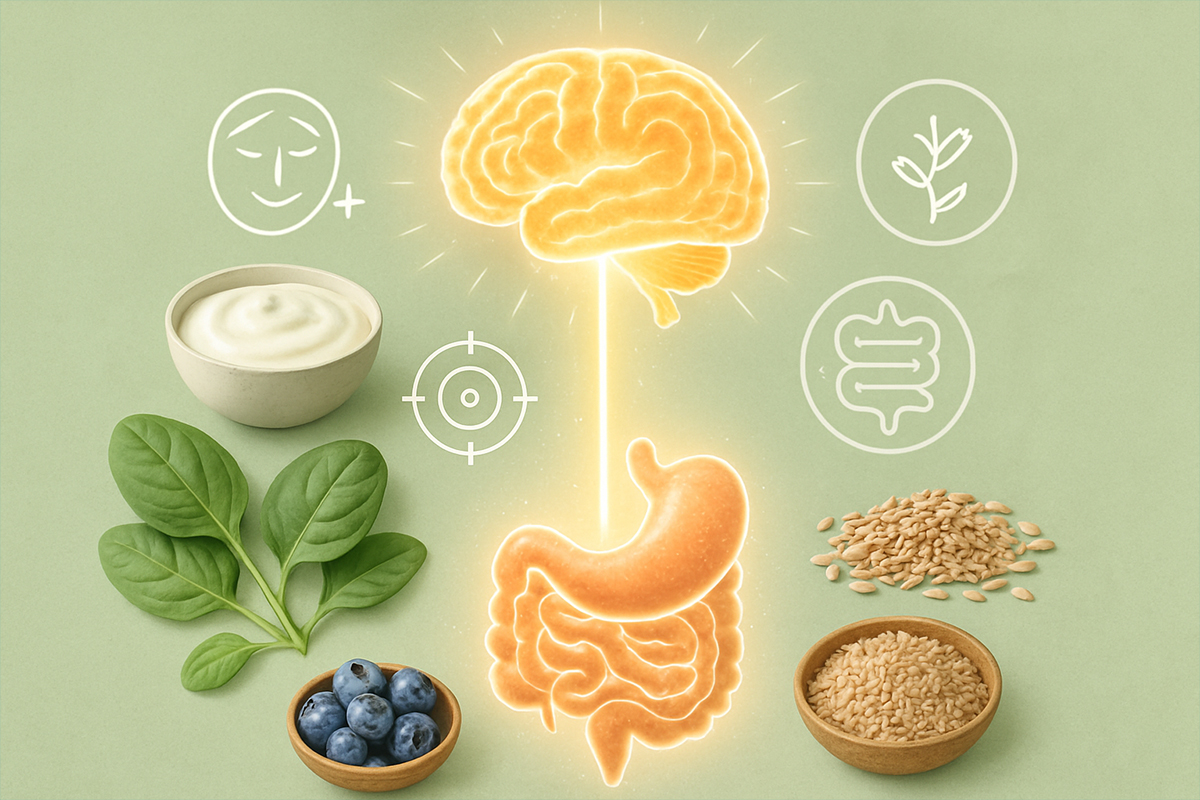
Find natural anxiety relief with 12 evidence-based gut-brain strategies. Our 2025 guide details probiotic protocols and diet plans to reduce anxiety at its root. An integrative approach for residents of Denver, Boulder, and Colorado.
Natural Anxiety Relief: 12 Evidence-Based Gut-Brain Strategies
Looking for natural anxiety relief that actually works? This evidence-based guide reveals the top 12 gut-brain strategies backed by 2024 research. From targeted probiotic protocols and anti-inflammatory meal plans to sleep optimization and exercise routines, discover powerful lifestyle changes that reduce anxiety at its root.
These interventions are designed to enhance—not replace—traditional care. Whether you’re in Boulder, Denver, or Westminster, you can build an integrative anxiety treatment plan that supports both your mind and your microbiome.
Probiotic Protocols
1. Lactobacillus helveticus R0052 Supplementation
- Dosage: 3 billion CFU daily with breakfast.
- Duration: At least 8 weeks (6 months for best results).
- Timing: Take on an empty stomach, 30 minutes before eating.
- Quality: Prefer refrigerated products with potency guaranteed through expiration.
Expected Timeline:
- Weeks 1–2: Initial digestive adjustment.
- Weeks 3–4: First anxiety improvements.
- Weeks 6–8: Significant symptom reduction.
- Weeks 12+: Sustained benefits with continued use.
This strain synergizes with cognitive behavioral therapy by lowering baseline anxiety, enhancing therapeutic progress. Clinical research confirms faster therapy improvements when gut-brain inflammation is addressed.
2. Bifidobacterium longum 1714 Protocol
- Dosage: 1 billion CFU daily with dinner.
- Duration: 4–12 weeks for stress resilience.
- Combination: Pair with stress-reduction techniques.
- Cycling: 8 weeks on, 2 weeks off is often recommended.
Benefits:
- Cortisol regulation
- HPA axis support
- Cognitive enhancement
- Improved sleep quality
Frequently recommended for clients whose anxiety is primarily stress-related.
3. Multi-Strain Probiotic Rotations
- Strategy: Rotate different strains monthly:
- Month 1: L. helveticus R0052 (3B CFU)
- Month 2: B. longum 1714 (1B CFU)
- Month 3: L. rhamnosus JB-1 (10B CFU)
- Month 4: Multi-strain (8–10 species)
Rationale:
- Prevents tolerance, maximizes microbial diversity, and mimics natural gut fluctuations.
4. Timing Optimization for Maximum Effect
- Morning Dosing (7–9 AM): Best for B. longum. Aligns with natural cortisol rhythms for improved mood.
- Evening Dosing (6–8 PM): Best for L. helveticus. Supports evening GABA production for better sleep.
- With Meals vs. Empty Stomach: Empty stomach usually means better survival for probiotics, but take with meals if you have digestive sensitivity.
- Personalization: Adjust timing based on your tolerance.
Dietary Interventions
5. Anti-Inflammatory Meal Planning
Foods to Emphasize:
- Omega-3 fish (salmon, sardines, mackerel): 3–4 servings/week
- Leafy greens: 2–3 cups/day
- Colorful vegetables: 5–7 servings/day
- Anti-inflammatory spices (turmeric, ginger, garlic): liberal use
- Healthy fats (olive oil, avocados, nuts): 3–4 servings/day
Foods to Minimize:
- Refined sugars
- Processed foods
- Trans fats
- Excessive alcohol
- Artificial sweeteners
Meal Timing:
- Eat at regular times.
- Don’t skip meals.
- Stop eating 3 hours before bed for optimal sleep.
6. Fermented Food Integration
Key Fermented Foods:
- Kefir: 6–8oz daily. High diversity (10–15 strains), 25% anxiety reduction seen in studies after 6 weeks.
- Sauerkraut: 2–4 tbsp daily. High in L. plantarum for GABA support. Choose unpasteurized.
- Kimchi: 1–2 tbsp daily. Unique anxiety-reducing compounds, use a variety of vegetables.
- Miso: 1 tbsp daily. Linked with reduced anxiety and better mood. Only use unpasteurized, organic.
Implementation:
- Add one new fermented food every 2 weeks; rotate weekly for diversity.
7. Prebiotic Fiber Optimization
- Resistant Starch Sources: Green bananas, cooked/cooled potatoes or rice, plantain flour
- Inulin-Rich Foods: Jerusalem artichokes, dandelion greens, chicory root, onions and garlic
- Pectin Sources: Apples (with skin), citrus fruits, berries, carrots
Protocol:
- Start with 5–10g/day, increase slowly to 25–35g/day (15–20g from prebiotics). Hydrate well.
8. Elimination Diet for Anxiety Triggers
Phase 1: Elimination (3–4 weeks):
- Remove gluten, dairy, refined sugar, processed foods, alcohol, caffeine.
Phase 2: Systematic Reintroduction (6–8 weeks):
- Reintroduce one group every 4–5 days.
- Track: Digestion, mood, sleep, cognition.
Lifestyle Interventions
9. Intermittent Fasting for Gut Healing
- 16:8 Protocol: Eat 12 PM–8 PM, fast 8 PM–12 PM.
- Begin with 12:12; progress as tolerated.
- Gut rest and autophagy reduce inflammation.
- Always consult your provider, especially if you’re on medication or have a history of eating disorders.
10. Exercise Protocols for Microbiome Health
- Moderate Cardio: 4–5x/week, 30–45 minutes.
- Strength Training: 2–3x/week, 20–30 minutes.
- Yoga/Mindful Movement: 3–4x/week, 20–60 minutes.
- HIIT: 1–2x/week, short intervals. Exercise promotes gut diversity and resilience.
11. Stress Reduction for Gut Integrity
Daily Practices:
- Breathing exercises
- Progressive muscle relaxation
- Mindfulness meditation
- Nature walks
Weekly:
- Massage
- Social activities
- Creative hobbies
- Recreation
Chronic Stress:
- Seek therapy.
- Prioritize quality sleep.
- Set work-life boundaries.
- Balance your schedule.
12. Sleep Optimization for Bacterial Balance
- Sleep hygiene: Consistent schedule, 7–9 hours/night, cool room (65–68°F), avoid screens 1–2 hours before bed.
- Pre-Sleep Gut Support: Magnesium (200–400mg), herbal teas, gentle stretching.
- Assessment: Fall asleep in 20 minutes, wake refreshed.
Final Thoughts: Redefining Natural Anxiety Treatment
Science is uncovering the intricate gut-brain connection—true healing often starts with your microbiome. By combining approaches like targeted probiotics, anti-inflammatory nutrition, and daily rituals, you’re addressing anxiety at its root.
Natural treatment is now a comprehensive biology-based approach, grounded in leading research—not just herbal remedies or quick fixes.
Whether starting your first protocol or integrating gut support into existing care, you’re shifting from coping to healing—empowering your body as an active partner in emotional well-being.
Ready to Take the Next Step?
Curious how your gut health fits into the bigger picture of anxiety treatment? Check out our Ultimate Guide to Anxiety Diagnosis and Treatment in Colorado for a deeper dive into causes, symptoms, and evidence-based solutions.
If you’re ready to address anxiety at its root, Axis Integrated Mental Health can help. Our clinicians blend gut-brain protocols with medication management and advanced therapy, creating a treatment plan tailored to your needs and mental health goals.
Frequently Asked Questions
1. How long does it take for gut health changes to impact anxiety symptoms?
Most people start noticing improvements in anxiety within 3–6 weeks after beginning gut-focused interventions like prebiotics, probiotics, or elimination diets. Full benefits may take 8–12 weeks depending on consistency and the severity of symptoms.
2. Can I follow a gut-brain diet for anxiety without cutting out gluten or dairy?
Yes, but results may vary. While gluten and dairy are common gut irritants, some individuals see improvements by focusing on fiber, probiotics, and reducing processed foods without full elimination. A trial elimination can help identify your unique triggers.
3. What are the safest ways to start intermittent fasting if I have anxiety?
Start slowly with a 12:12 eating-to-fasting window and increase gradually. Always monitor how you feel, prioritize hydration, and avoid fasting during high-stress periods. Consult a provider if you have a history of disordered eating or chronic anxiety.
4. Is there a link between gut inflammation and panic attacks or mood swings?
Yes. Gut inflammation can disrupt the gut-brain axis, leading to increased cortisol, neurotransmitter imbalances, and inflammation-driven anxiety. Many patients report fewer panic attacks and mood swings after restoring gut health.
5. Should I talk to a psychiatrist or a nutritionist first if I think my anxiety is gut-related?
Ideally, both. An integrative psychiatrist or mental health provider trained in functional medicine can assess your symptoms holistically and coordinate with a nutritionist. This approach helps you treat both the mental and physical roots of anxiety.