Watch the Episode
Episode Summary
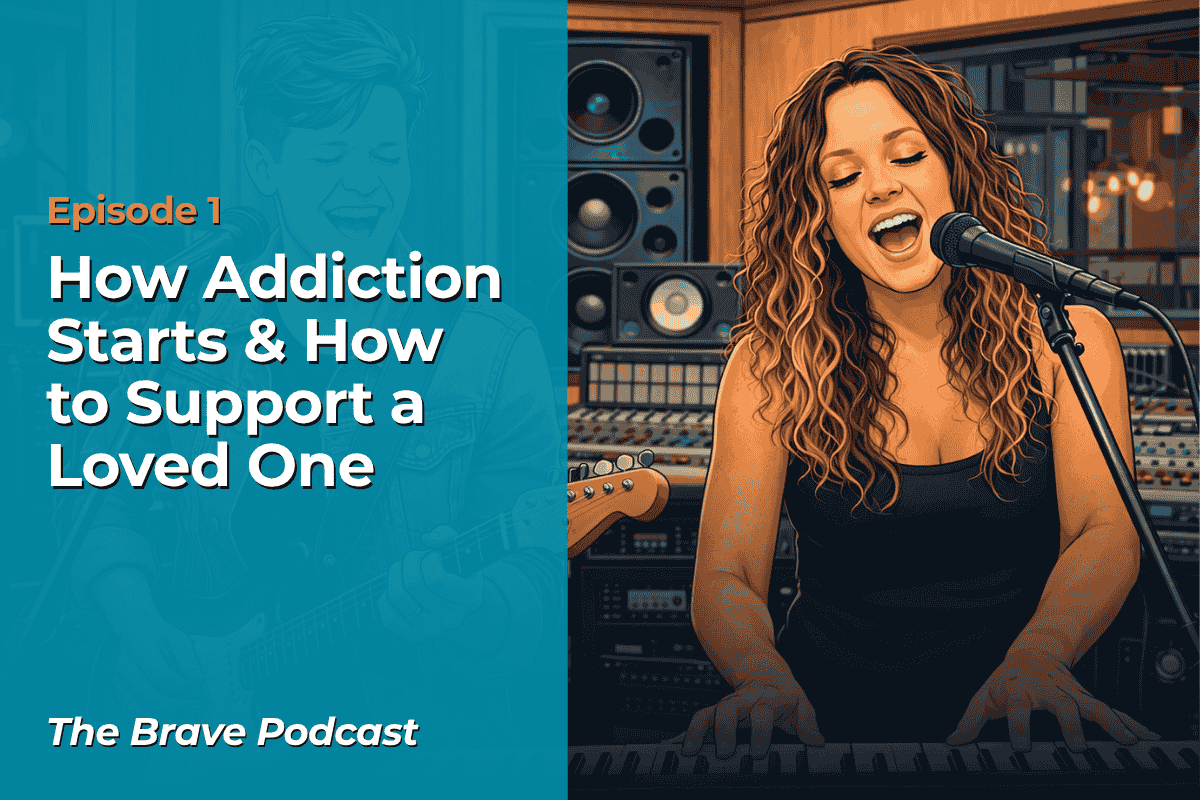
Katy Mcallister wrote music alone in her room and played guitar only when no one was home. She wanted people to hear her and was terrified for anyone to actually look. That tension between longing and fear followed her from her childhood bedroom all the way to the Bluebird Theater stage in Colorado.
At 18, Katy sent garage recordings to Tyler Ward, a YouTube musician and producer in Aurora. It was 2009, and the platform was just becoming a launchpad for independent artists. Tyler heard something in her music, brought her in, and together they recorded covers that built an audience. Her original songs followed and are now streaming on Spotify, Apple Music, and YouTube.
But behind every performance was a battle. Her first major gig, opening for Tyler at the Bluebird in front of 2,500 people, nearly didn’t happen. She ran off stage during soundcheck. As bookings continued, drinking became her way of managing the fear. One night at a sports bar, she convinced herself no one was listening, got drunk, cut her set short, and lost the gig entirely.
Her father, a musician who had played for thousands in Texas, sat her down afterward. Not to shame her, but to be honest: this was a job. You made a commitment. You need to follow through. Katy cried because she already knew he was right. She credits her parents’ openness as one of the great gifts of her life. In that conversation, she began to understand that the real work wasn’t becoming braver on stage. It was understanding why she needed the stage in the first place.
In this first episode of The Brave Podcast, Katy shares that journey with Darian Garcia of Axis Integrated Mental Health, and the two begin a conversation about what it actually looks like to move from performing through fear to finding genuine peace.
Key Ideas
- Katy could write music that resonated with thousands while still being afraid to sing in front of her own family, a contradiction that signals something deeper than shyness
- Her break came through Tyler Ward in 2009: raw garage demos sent cold, one invitation to record, and an audience built through YouTube covers before originals took off
- At the Bluebird Theater with 2,500 people in the crowd and her name on the marquee, she ran off stage during soundcheck and attempted to back out at the last minute
- Drinking before gigs became a shortcut through performance terror, eventually escalating to cutting sets short and losing a booking over it
- Her father’s direct, caring confrontation combined accountability for a professional commitment with honest concern about her drinking, and it landed because she never had to fear her parents
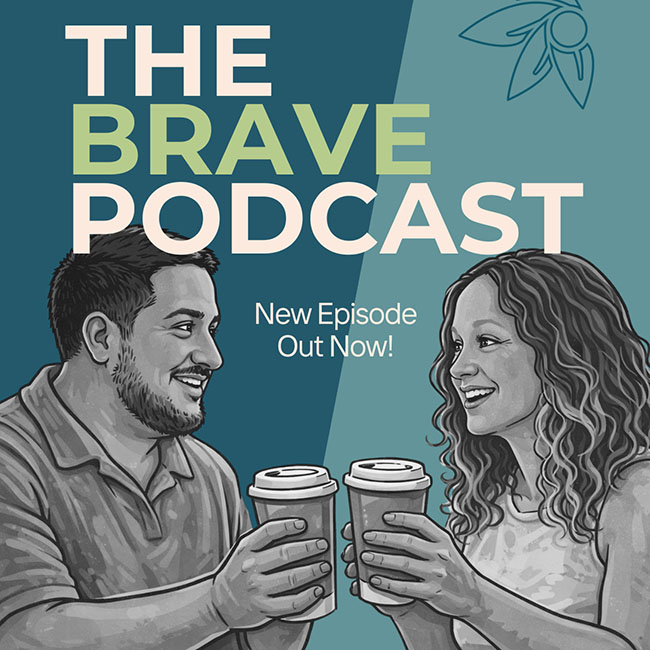
- The connection between Katy and Darian started not clinically, but over coffee. Katy brought two by mistake, kept both, and also ate both croissants and truffles.
Key Lessons
- Stage fright can mask deeper anxiety, not just nerves. Katy’s experience wasn’t simple butterflies. It was a visceral terror of being seen alongside an intense need for approval, a combination worth paying attention to rather than just pushing through.
- When a coping mechanism appears, look at what it’s managing. Drinking felt like relief from anxiety. It was actually a signal that the underlying fear was unmanaged and growing, a pattern that eventually cost her a job.
- Wanting to be seen and fearing it can coexist. Katy named something most people with performance anxiety recognize but rarely say out loud: she wanted everyone to see her but wanted no one to look. That paradox is a mental health signal worth naming.
- Accountability from a trusted person can shift perspective faster than insight alone. Katy already knew she had a problem. It took her father, someone who understood the stakes personally, being direct for it to actually land.
- A home where you never have to hide is a mental health asset. Katy describes her parents’ openness as “a huge gift.” When caregivers remove the need for secrecy early, people in crisis have somewhere safe to fall apart and be honest.
- Real mental health conversations often start informally. The relationship between Katy and Darian started with a coffee delivery, not a clinical intake. Connection that matters rarely looks the way you expect it to.
Episode Q&A
What was Katy’s relationship with performing before her music career began?
She was so afraid of being watched that she only played and sang when no one was home, including her family. The desire to share her music and the fear of being seen existed in direct tension from the start.
How did Katy get her start as a musician?
At 18, she sent self-recorded garage demos to Tyler Ward, a YouTube musician and producer in Aurora. He invited her in, they recorded covers together, and she built an audience before her original songs were released. This was 2009, early enough in YouTube’s rise that the timing worked in her favor.
What happened at her first major gig at the Bluebird Theater?
She tried to back out during soundcheck. With 2,500 people in the crowd and her name on the marquee, she ran off stage and told Tyler she couldn’t do it. She was only playing three songs. Tyler convinced her to stay and play the set.
How did drinking become part of her performance routine?
As gigs became more regular, Katy turned to alcohol to manage performance anxiety. One night at a sports bar, she got too deep into it, convinced herself the crowd wasn’t listening, and cut the set short. She lost the booking.
What was the turning point with her dad?
Her father, a musician who had performed for thousands in Texas, sat her down and addressed both the drinking and the broken commitment. He made clear that showing up matters regardless of nerves and that it was a job. Katy cried because she knew he was right before he finished talking.
Why did that conversation hit differently than it might have for someone else?
Katy grew up in a home where she never felt she had to hide from her parents. There was always a moment where she could come clean and they would be there. That foundation meant the hard conversation wasn’t adversarial. It landed as truth from someone she trusted completely.
How did Katy and Darian’s relationship begin?
They first connected virtually when Katy was helping Darian with patients. Before they had ever met in person, Katy asked for Darian’s coffee order and showed up at the clinic with it. She accidentally ordered it twice, kept both coffees, and also ate both croissants and truffles.
Who is The Brave Podcast for?
People struggling with depression, anxiety, stress, or burnout, especially those in the Denver metro area, though the conversations apply far beyond Colorado. The show pairs real stories from Katy with clinical insight from Darian, without judgment and without pressure.
Free Resources
1. How to Support a Loved One Struggling with Depression
2. A Woman’s Guide to Depression Recovery with Deep TMS in Denver
3. How to Get Depression Treatment in Denver
Struggling with depression, anxiety, or burnout in Denver, Westminster, Boulder, Aurora, Louisville, or DTC? Reach out to Axis Integrated Mental Health at (720) 400-7025 or visit axismh.com.
Podcast: Play in new window | Download