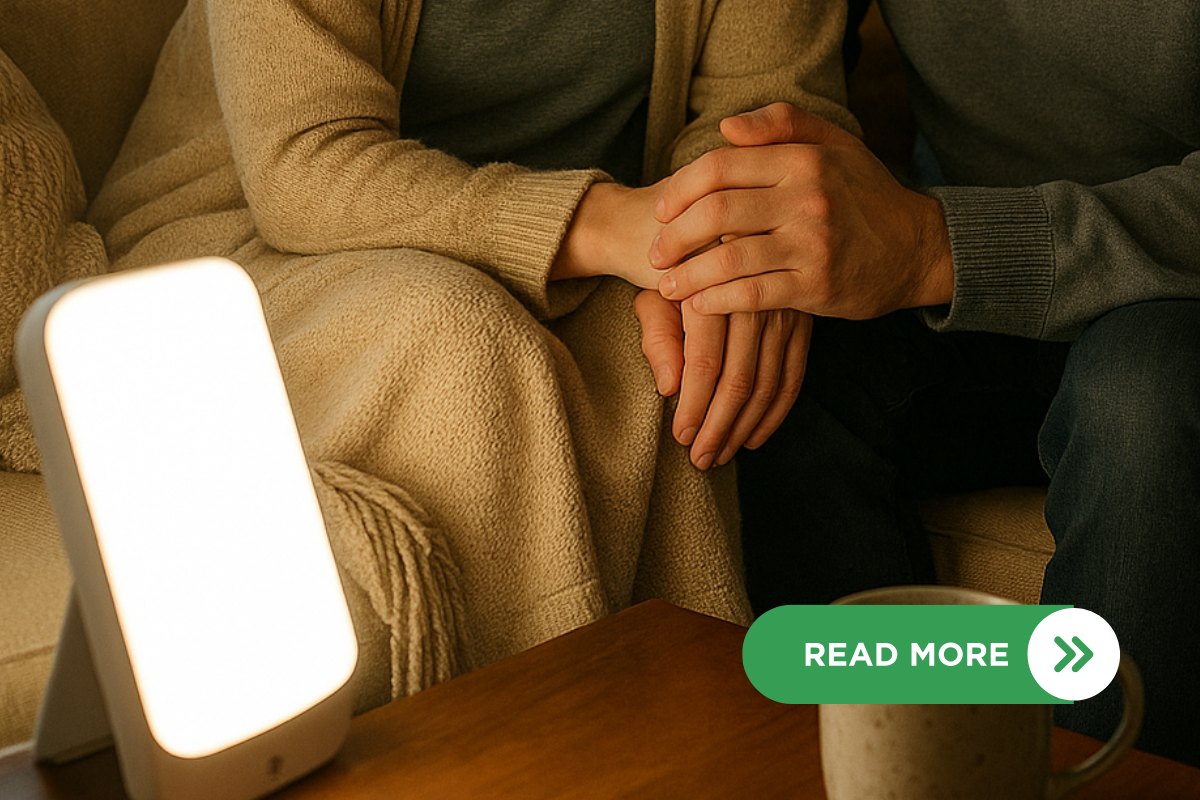
As Colorado winters settle in, the days get shorter, the sunlight fades, and for many people, mood and energy levels begin to drop. If you have ever felt more tired, unmotivated, or down during the colder months, you are not alone. For many Coloradans, these changes are symptoms of seasonal affective disorder (SAD), a form of depression that follows a seasonal pattern.
One of the most effective, evidence-based treatments we have for SAD is bright-light therapy.
Understanding Seasonal Affective Disorder
Seasonal affective disorder is more than just “winter blues.” It is a type of depression that typically emerges in late fall or early winter and improves in spring and summer. Symptoms often include low mood, low energy, changes in sleep, difficulty concentrating, and a loss of interest in activities you usually enjoy.
SAD is common in places with reduced winter daylight, which is why it affects so many people in Colorado. Shorter days can disrupt the body’s internal clock, impact neurotransmitters like serotonin, and alter melatonin production, all of which can contribute to depression symptoms.
What Is Light Therapy?
Light therapy is a structured treatment that uses a special bright light box to mimic natural outdoor light. This artificial light helps regulate brain chemistry and the sleep-wake cycle, which can improve mood and energy.
Light therapy is not the same as regular indoor lighting. It uses a specific intensity, typically around 10,000 lux, which is much brighter than normal household lights. Used correctly, it can significantly reduce SAD symptoms within a few days to a few weeks.
How Light Therapy Works
Light therapy works by addressing the biological drivers of seasonal depression. For many people, reduced sunlight disrupts circadian rhythms, the internal system that regulates sleep, appetite, and mood. When the brain senses less daylight, it can shift into a pattern that promotes fatigue and depressed mood.
Bright-light therapy helps by:
- Resetting circadian rhythms so your body gets a clearer signal that it is daytime
- Supporting serotonin activity, which is closely tied to mood regulation
- Reducing excess melatonin production, which can contribute to oversleeping and low energy
How Effective Is Light Therapy for SAD?
Research consistently shows that light therapy is one of the most effective first-line treatments for seasonal depression, especially for winter-pattern SAD. Studies suggest it can be comparable to antidepressant medication for some people, with fewer systemic side effects when used properly.
Many people notice improvements in energy and mood within the first week. For others, it can take two to four weeks of consistent use.
How to Use Light Therapy Safely and Correctly
Light therapy works best when it is used consistently and with the right setup. Here are the key clinical guidelines.
Choose the right light box
Look for a light box that provides 10,000 lux and filters out UV light. Avoid tanning lamps or “sun lamps” that may emit UV rays.
Use it at the right time
For most people, light therapy is most effective in the morning, shortly after waking. Morning exposure helps shift circadian rhythms in the right direction.
Use the right duration
Many protocols recommend 20 to 30 minutes per day at 10,000 lux, but the ideal duration depends on the device strength and your symptoms. Some people may need shorter or longer sessions.
Position it correctly
The light box should sit at an angle, about 16 to 24 inches from your face. You should not stare directly into the light. You can read, eat, or work while the light is on, as long as it stays within your peripheral vision.
Who Should Be Cautious with Light Therapy?
While light therapy is generally safe, it is not appropriate for everyone without guidance. You should talk with a provider first if you:
- Have bipolar disorder, since light therapy can trigger mania or hypomania in some people
- Have eye conditions or take medications that increase light sensitivity
- Experience significant headaches, agitation, or insomnia when using the light box
If you have a history of mood instability, it is especially important to work with a clinician before starting.
Common Side Effects
Most side effects are mild and improve with adjustments. They can include:
- Headache
- Eye strain
- Nausea
- Irritability or restlessness
- Trouble sleeping if used too late in the day
If side effects occur, reducing session time, increasing distance from the light box, or changing timing often helps.
Light Therapy vs. Other Treatments
Light therapy is one tool in a broader treatment plan. Depending on symptom severity and your clinical history, your provider may also recommend:
- Evidence-based therapy, such as CBT, including CBT tailored for SAD
- Medication management when depression symptoms are moderate to severe
- Lifestyle strategies that support circadian rhythm, such as consistent sleep schedules and outdoor activity
For some people, combining light therapy with therapy or medication offers the best results.
When to Seek Professional Help
If your winter symptoms are affecting your relationships, performance at work, or ability to function day to day, it is worth talking with a mental health professional. SAD can feel isolating, but it is highly treatable, and you do not have to push through it alone.
It is especially important to seek support if you have persistent hopelessness, severe anxiety, or thoughts of self-harm. In these cases, immediate professional care is needed.
How Axis Integrated Mental Health Can Help
At Axis Integrated Mental Health, we support patients across Colorado with evidence-based care for depression, anxiety, and seasonal mood changes. Our providers can help you confirm whether your symptoms match SAD, rule out other causes like thyroid issues or burnout, and build a treatment plan that fits your life.
This may include therapy, medication management, light therapy guidance, and advanced treatments when appropriate.
Frequently Asked Questions
How long does light therapy take to work?
Many people notice changes within several days to one week, though full benefits may take two to four weeks with consistent daily use.
Can I use light therapy at night?
Night use is usually not recommended because it can disrupt sleep. Morning use is typically best for resetting circadian rhythm.
Do I need a prescription for a light box?
No, but you should choose a clinically appropriate light box (10,000 lux and UV filtered) and talk with a provider if you have any risk factors or concerns.
Is light therapy safe if I have bipolar disorder?
It can be helpful for some people, but it may also trigger mood elevation. If you have bipolar disorder, it is important to use light therapy only under clinical supervision.
What if light therapy does not help?
If symptoms persist, it may be a sign that you need additional treatment, such as therapy, medication, or evaluation for other contributors. A provider can help you adjust your plan.