If you’ve tried multiple antidepressants and therapies without relief, Deep transcranial magnetic stimulation (Deep TMS), the most advanced form of magnetic treatment for depression, may offer the breakthrough you’ve been searching for.
This revolutionary, non-invasive procedure uses patented magnetic technology to stimulate deeper brain regions involved in mood regulation with superior effectiveness compared to standard approaches.
Depression affects over 21 million adults in the U.S., with approximately 30% experiencing treatment-resistant depression that doesn’t respond to traditional treatments.
Deep TMS represents a paradigm shift in depression treatment, offering hope when conventional approaches have failed.
This comprehensive guide explains how Deep TMS works, who benefits most, success rates, and what to expect during treatment at specialized centers in Aurora, Denver, Boulder, and Westminster.
What Is Deep TMS Magnetic Treatment for Depression?
Deep transcranial magnetic stimulation (Deep TMS) represents the most significant advancement in magnetic treatment for depression.
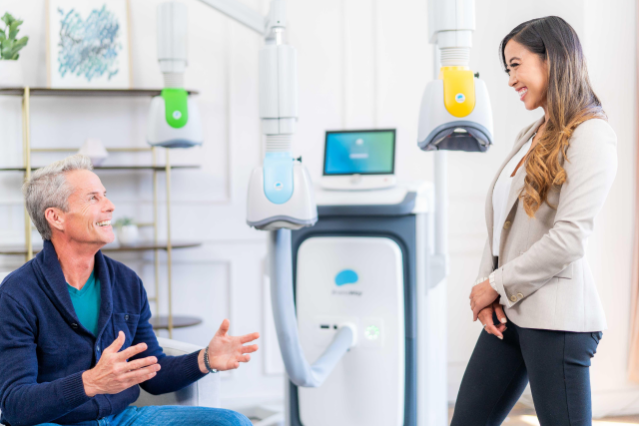
Unlike standard traditional TMS, Deep TMS uses patented H-Coil technology held inside a helmet apparatus that safely sends magnetic pulses directly to deeper, broader brain structures involved in mood regulation.
How Deep TMS Differs from Traditional TMS
Advanced Technology: Deep TMS uses specialized H-Coil technology that reaches deeper brain regions without requiring increased magnetic intensity that could cause side effects.
Broader Treatment Area: The electromagnetic field covers more relevant brain regions while maintaining safe activation levels, enhancing targeting accuracy without complex navigation equipment.
Superior Effectiveness: Studies demonstrate 82% efficacy and 65% remission rates with Deep TMS, compared to 50-60% efficacy and 30% remission rates with first generation TMS technology (rTMS).
Durability: Many patients maintain improvements for months or years after completing treatment.
The Science Behind Deep TMS
Deep TMS applies precisely controlled magnetic fields to specific brain regions, inducing small electrical currents that activate neurons in areas involved in mood regulation.
The patented H-Coil technology enables:
- Direct Deep Brain Access: Reaches deeper brain structures directly, preventing magnetic field intensity decrease while maintaining effectiveness.
- Neuroplasticity Enhancement: Repeated stimulation strengthens neural connections and helps normalize brain activity patterns associated with depression.
- No Systemic Effects: Unlike medications, Deep TMS targets specific brain regions without affecting the entire body.
FDA Clearance and Safety Profile
Deep TMS is FDA-cleared for Major Depressive Disorder and Obsessive-Compulsive Disorder, with extensive clinical research supporting its safety and effectiveness.
Minimal Side Effects: Most common effects include mild scalp discomfort or headaches during initial sessions.
No Systemic Impact: Unlike medications, Deep TMS doesn’t cause weight gain, sexual dysfunction, or cognitive impairment.
Excellent Safety Record: Serious side effects like seizures occur in less than 0.1% of patients.
Who Should Consider Deep TMS Magnetic Treatment?
Primary Candidates for Deep TMS
- Treatment-Resistant Depression: Individuals who have tried at least two antidepressants without adequate relief.
- Medication Intolerance: People who cannot tolerate antidepressant side effects.
- Preference for Non-Pharmaceutical Treatment: Those seeking drug-free alternatives to traditional approaches.
- Maintained Functionality Needs: Individuals who need to continue working and daily activities without cognitive impairment.
Conditions That Benefit from Deep TMS
- Major Depressive Disorder: Primary indication with strongest clinical evidence.
- Treatment-Resistant Depression: Particularly effective when traditional approaches have failed.
- Depression with Anxiety: Can address both conditions simultaneously.
- Bipolar Depression: Effective for depressive episodes in bipolar disorder patients.
Deep TMS Treatment Process: What to Expect
Initial Consultation and Evaluation
Comprehensive Assessment: Thorough review of depression history, previous treatments, medical conditions, and treatment goals.
Eligibility Determination: Evaluation for contraindications such as metal implants near the head, certain medical devices, or seizure history.
Treatment Planning: Personalized approach based on individual symptoms, history, and response patterns.
Insurance Verification: Most insurance plans cover Deep TMS for treatment-resistant depression with proper documentation.
Motor Threshold and Calibration
Personalized Settings: Motor threshold test determines optimal magnetic intensity for your specific brain anatomy.
Precise Targeting: Advanced mapping ensures accurate placement for maximum effectiveness.
Safety Protocols: Comprehensive safety checks before each session.
Daily Treatment Sessions
- Session Duration: Each Deep TMS session lasts approximately 30 minutes.
- Treatment Schedule: Five sessions per week for 4 weeks (20 total sessions) in the acute phase. 2 times a week for 8 weeks in the continuation phase.
- StorySHIFT™: Our trademark story-based intervention that can help you clearly identify your goals and skills to work on with your therapist.
- No Downtime: Resume normal activities immediately after each session.
Treatment Progression and Monitoring
- Early Assessment: Many patients notice improvement within 2-3 weeks of starting treatment.
- Ongoing Adjustment: Treatment parameters adjusted based on response and tolerance.
- Symptom Tracking: Regular monitoring using standardized depression scales.
- Progress Reviews: Weekly check-ins to assess improvement and address any concerns.
Deep TMS vs. Other Depression Treatments
Advantages Over Traditional Approaches
Deep TMS represents a significant advancement over traditional depression treatments, offering faster results, greater precision, and fewer side effects. Unlike medications that can take six to eight weeks to show improvement and affect the entire body, Deep TMS often provides relief within just 3-4 weeks by directly targeting the brain regions involved in mood regulation. Because it is non-invasive and doesn’t impact memory, concentration, or daily functioning, patients can continue living their lives without the systemic side effects that often come with antidepressants.
Comparison with Traditional TMS
Compared to standard rTMS, Deep TMS penetrates deeper brain structures and covers broader areas simultaneously, producing stronger clinical outcomes without the need for complex navigation systems. Its effectiveness is especially notable when integrated into a comprehensive care plan–combining Deep TMS with therapy, lifestyle changes like exercise and healthy sleep, and consistent adherence to the full 30-session protocol optimizes results. Many patients maintain improvement for six months to a year after treatment, with maintenance sessions available as needed.
Success Factors and Treatment Optimization
Factors That Enhance Deep TMS Effectiveness
The effectiveness of Deep TMS can be significantly enhanced by how and when it is used. Patients who begin treatment earlier, rather than waiting until they’ve exhausted multiple failed options, often see stronger outcomes. Pairing Deep TMS with psychotherapy provides a powerful, integrated approach that addresses both the neurological and psychological aspects of depression. Lifestyle habits like regular exercise, good sleep, and stress management also play an important role in supporting brain health and treatment success.
Maximizing Treatment Benefits
Consistency and preparation matter as well. Arriving well-rested and hydrated, sticking to the full 30-session schedule, and engaging in therapy alongside treatment help maximize the brain’s ability to form new, healthier neural pathways. Using the TMS Workbook we provide can make TMS more effective especially if you’re working with a therapist, and ongoing maintenance sessions can further support lasting recovery and sustained well-being.
Insurance Coverage and Cost Considerations
Insurance coverage is widely available, with Medicare and most private insurers covering Deep TMS for treatment-resistant depression once medication trials have been documented. While the full course of treatment can cost $12,000–$15,000, most patients only pay standard copays and deductibles, making it a long-term investment in mental health that often outweighs the ongoing cost of medications. When combined with Spravato, costs can be significantly reduced. Choosing a qualified provider is key: experienced centers that integrate therapy, offer strong follow-up support, and personalize care deliver the best outcomes. With clinics in Denver, Boulder, and Westminster, patients in Colorado have access to a proven, comprehensive treatment that helps restore balance, resilience, and lasting relief from depression.
Get a rough cost estimate for Deep TMS Treatment using our free calculator.
When searching for a TMS provider, it’s important to look beyond availability and focus on quality of care. Start by asking whether the clinic offers Deep TMS in addition to traditional rTMS. Deep TMS has been shown to reach deeper brain structures and produce stronger clinical outcomes, making it a more advanced option for many patients. Equally important is whether the provider integrates TMS with therapy. Combining treatment with counseling or psychotherapy can help patients process insights, develop coping skills, and support longer-term recovery.
Clinic reputation also matters–look for centers with experienced providers, high patient volumes, and transparent outcomes data. Strong clinics will offer comprehensive support before, during, and after treatment, including help with insurance authorization, individualized treatment planning, and follow-up care. Other signs of a good provider include board-certified psychiatric leadership, patient-centered policies such as flexible scheduling or discreet access, and a clear focus on long-term wellness rather than just the treatment itself. By considering these factors, patients can choose a TMS clinic that not only delivers advanced technology but also provides the integrated, compassionate care needed for lasting results.
Deep TMS Cost Calculator
Estimate your out-of-pocket cost in under 60 seconds
This is a general estimate only. Your actual cost may differ. Axis verifies your exact benefits before treatment begins. No insurance data is stored.
Important: This is an estimate only, not a guarantee or full benefits investigation. Actual costs depend on your specific plan and claim processing. You are not required or encouraged to book services with Axis based upon this calculator. The calculator is provided as a certain mental and behavioral health concerns.
Combining Deep TMS with Other Treatments
Integrated Treatment Approaches
Spravato: Combining Deep TMS with Spravato offers a powerful one-two approach. Spravato provides rapid relief from depressive symptoms, while Deep TMS strengthens and stabilizes those improvements for longer-lasting results. Also, when done in the same year, you can maximize insurance benefits and reduce overall costs.
Integrative Psychotherapy: Combining Deep TMS with therapy enhances outcomes by addressing both neurological and psychological aspects of depression.
Medication Management: Some patients continue medications during Deep TMS, while others reduce or discontinue under medical supervision.
Lifestyle Interventions: Regular exercise, proper nutrition, and stress management support brain health and treatment effectiveness.
Long-term Outcomes and Maintenance
Durability of Deep TMS Benefits
- Extended Relief: Many patients maintain improvement for 6-12 months or longer after completing treatment.
- Maintenance Protocols: Some patients benefit from periodic maintenance sessions.
- Relapse Prevention: Ongoing therapy and lifestyle management support sustained recovery.
Post-Treatment Support
Regular Monitoring: Scheduled follow-ups to assess maintained improvement.
Booster Sessions: Additional Deep TMS sessions if symptoms begin returning.
Continued Care: Ongoing access to mental health support and resources.
Crisis Resources and Emergency Support
Immediate Help Available 24/7
988 Suicide & Crisis Lifeline: National 24/7 crisis support with trained counselors.
Colorado Crisis Services: Call 1-844-493-8255 or text “TALK” to 38255 for immediate local support.
Emergency Services: Call 911 or go to your nearest emergency room for immediate danger situations.
When to Seek Emergency Care
Suicidal Thoughts: Any thoughts of self-harm require immediate professional intervention.
Severe Symptoms: Inability to function, psychotic symptoms, or dangerous behaviors.
Crisis Escalation: Sudden worsening of depression symptoms or loss of coping ability.
For the Best Results, Deep TMS is Your Answer
Deep TMS represents a revolutionary advancement in magnetic treatment for depression, offering new hope for those who haven’t found relief through traditional approaches.
With its superior ability to reach deeper brain structures and demonstrated effectiveness for treatment-resistant cases, Deep TMS is transforming the landscape of depression care. 82% of people who try Deep TMS experience more than a 50% reduction in symptoms and 65% go into complete remission, often with improvement beginning within 2-3 weeks. This FDA-cleared treatment offers a safe, non-invasive alternative to more intensive interventions with zero downtime throughout treatment.
If you’ve tried medications and still don’t feel like yourself, don’t wait another day hoping things will change on their own. At Axis Integrated Mental Health, we combine cutting-edge treatments like Deep TMS and Spravato with compassionate, personalized care to help you finally find relief that lasts. Our team handles everything from insurance approvals to tailored treatment plans so you can focus on healing, not paperwork. Real recovery is possible, and it starts with one step. Book your appointment today and discover why Axis is Colorado’s leader in advanced depression care.
Frequently Asked Questions
How does Deep TMS differ from regular TMS for depression treatment?
Deep TMS uses patented H-Coil technology that reaches deeper brain structures compared to standard figure-8 coil TMS. This enables broader coverage of mood-related brain regions while maintaining safety and effectiveness. Deep TMS demonstrates superior outcomes with 82% response rates compared to 40-50% for standard TMS. Our article on deep tms vs standard rtms provides more information on how the two technologies differ.
What should I expect during my first Deep TMS session?
Your first session includes motor threshold testing to calibrate treatment settings for your specific brain anatomy. The actual treatment lasts about 30 minutes, during which you’ll hear clicking sounds and feel tapping sensations on your scalp. Most patients find the experience comfortable. Our patient center can provide you with more information about how to prepare for TMS treatment.
How quickly does Deep TMS work for depression?
Many patients notice improvement within 2-3 weeks of starting Deep TMS treatment, though some may experience benefits sooner or require the full 6-week course. The timeline varies based on individual factors including depression severity, treatment history, and overall health status.
Is Deep TMS covered by insurance in Colorado?
Most insurance plans cover Deep TMS for treatment-resistant depression after documenting failed medication trials. Treatment centers typically handle prior authorization and insurance verification processes. Commercial insurers and Denver Health POS medical plan provide coverage when medical necessity criteria are met. Medicaid does not cover Deep TMS in Colorado.
Can I continue my current medications during Deep TMS treatment?
Yes, most patients continue their current medications during Deep TMS treatment. Some may reduce or discontinue medications after successful treatment under medical supervision. Your treatment team will coordinate any medication changes with your prescribing physician to ensure safety and optimize outcomes.
This article provides educational information and should not replace professional medical advice. Always consult with qualified healthcare providers for personalized treatment recommendations.