
Trauma has a way of impacting the brain. While it scans for danger and triggers the fight mode, it also leaves the brain on a permanent ‘on’ mode. So, the crisis could be over, and everyone has moved on; you could still be in the ‘on’ mode. Feeling flat, or tired can become a daily routine. You keep waiting to go back to normal, and the loop never ends.
If that sounds familiar, you’re not broken and you’re not weak. You may be dealing with depression that grew out of trauma, and it often needs a different plan than the one you’ve been given.
The problem: “just get back to normal”
Whether you’ve served on the field or have been a part of distress resolution, you are expected to be back to normal on a timeline. A few bad days, maybe weeks, then life resumes. Your boss, partner, or best friend keep telling you, ‘You’ll be okay in a few days.” Even health websites say treatment will help you “return to your normal self.”
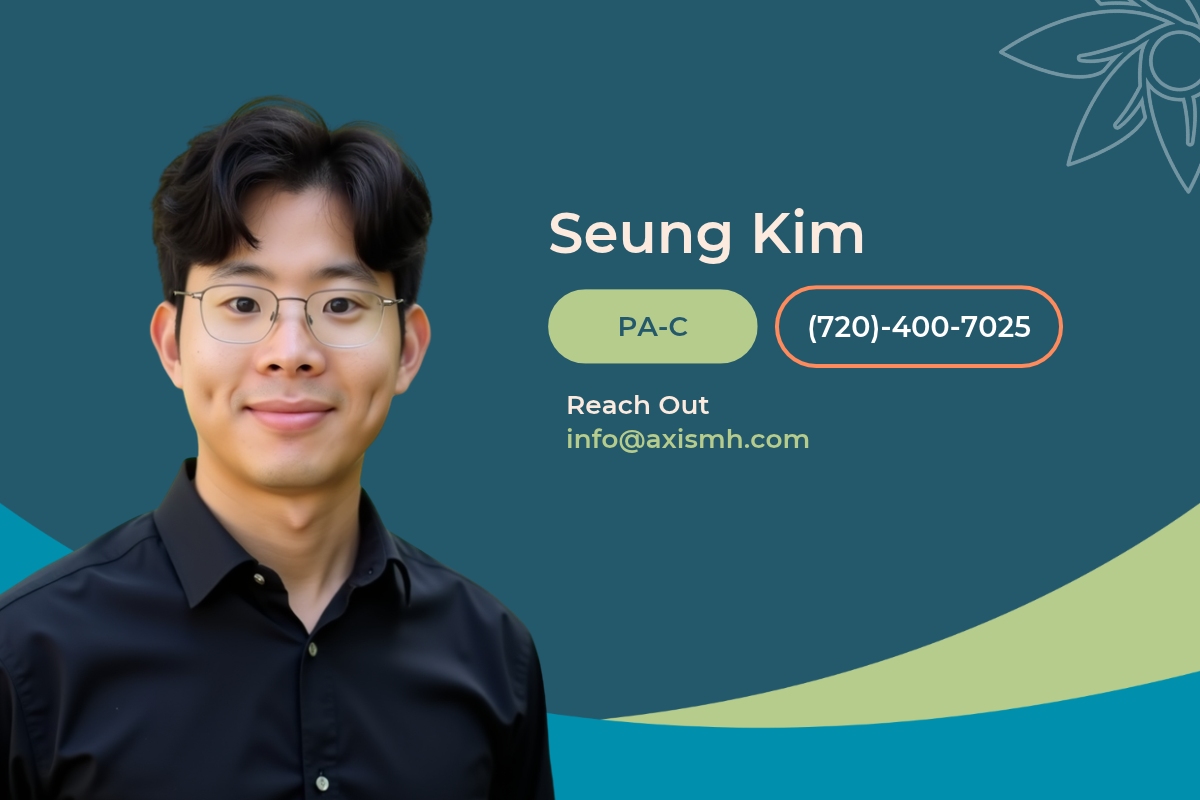
That expectation can quietly make things worse. Here’s what Seung Kim, PA-C, hears from patients again and again:
- “I should be over this.”
- “I’m doing everything right and I still feel numb.”
- “I don’t recognize myself anymore.”
- “My antidepressant takes the edge off, but that’s it.”
Trauma doesn’t just leave a memory. It can change how your brain handles stress, sleep, and threats. Your body may stay on alert long after the danger is gone. Over time, that constant strain can wear down mood, energy, and the ability to feel good things. That’s when clinical depression, or major depressive disorder, can settle in.
Traditional depression treatments often miss this. A visit to the PCP leads to an antidepressant. If it doesn’t work, you get a second one. Nobody asks what happened before the depression started. So, the plan aims at mood alone, while the trauma symptoms underneath keep running the show. People then get labeled “treatment resistant” when part of the problem is never treated.
If you’re looking for a psychiatry clinic for depression in Denver that asks the bigger question, that’s where Seung starts.
Sean’s approach: treat the person, not just the mood
Sean is a psychiatric physician assistant at Axis Integrated Mental Health. Before medicine, he spent years as a U.S. Army combat medic. That background shapes how he works: stay calm, ask direct questions, and don’t assume.
Step 1: Get the full history. Your first visit covers your symptoms and also what came before them. He’ll ask about trauma in a plain, respectful way. You share only what you’re ready to share.
Step 2: Screen for what’s hiding. Depression and trauma symptoms overlap. Seung uses standard screening tools for both, plus checks for things that can complicate treatment, like ADHD, bipolar disorder, or substance use.
Step 3: Build a layered plan. That might mean adjusting medication, adding therapy that addresses trauma, or moving to an advanced treatment. Axis offers two:
- Deep TMS (BrainsWay H-Coil). A non-drug treatment that uses magnetic pulses to stimulate brain areas tied to mood. It’s FDA-cleared for major depressive disorder. Sessions happen in the clinic, and you drive yourself home.
- Spravato (esketamine nasal spray). FDA approved for treatment-resistant depression. You take it in the clinic under supervision and stay for monitoring afterward.
What most clinics don’t talk about: readiness
Here’s the part you rarely see online. Advanced treatments work best when your life can support them. Sean led TMS operations at a Colorado practice, where he saw firsthand what helps a course succeed and what gets in the way:
- Sleep. Getting under 7 to 8 hours a night can result in blunt results. Trauma often wrecks sleep, so this gets addressed first.
- Substance use. Daily alcohol or cannabis can reduce the brain’s ability to adapt, which is what TMS relies on.
- Finishing the course. Stopping halfway is one of the most common reasons TMS falls short. A protected schedule matters.
So before starting, Seung helps you plan the hard parts. That might mean a sleep plan, a frank talk about drinking, or mapping out how you’ll get to sessions. It’s not glamorous. It’s what makes the difference.
Rethinking “normal”
Sean also helps patients let go of one goal that keeps them stuck: getting back to exactly who they were before. Trauma changes people. The aim isn’t to erase that. It’s to feel like yourself again, sleep through the night, enjoy things, and have energy for the people you love. For many people, that new normal ends up feeling better than they expected.
Who benefits most
This approach tends to help adults 18 and older who:
- Have major depressive disorder that hasn’t improved after two or more antidepressants.
- Noticed depression start or worsen after a traumatic event, like an accident, assault, loss, combat, or a medical crisis.
- Work in high-stress roles: veterans, firefighters, EMTs, police, nurses, and other healthcare workers.
- Feel “fine” in public but numb, irritable, or exhausted at home.
- Have been told they’re treatment resistant and want a fresh look.
- Want to know if they’re a candidate for Deep TMS or Spravato in Denver.
Some people aren’t the right fit for advanced treatment yet. That includes people who haven’t tried at least two antidepressants, people with a history of schizophrenia, and people with active substance use. Seung will tell you honestly where you stand and what would help first.
Sean’s journey
Sean’s path to psychiatry started far from the clinic. From 2015 to 2018, he served as a combat medic in the U.S. Army at Suwon Air Base in Korea and Fort Lewis in Washington. He rose to Company Senior Medic and then Clinic Lead Medic and earned the Army Commendation Medal and Army Achievement Medal.
As a medic, he learned that visible injury isn’t always the whole story.
After the Army, he earned his biology degree cum laude at the University of Colorado Denver, where he mentored fellow student veterans through Peer Advisors for Veteran Education. He then completed his Master of Physician Assistant Studies at the University of Colorado Anschutz Medical Campus and became board certified through the NCCPA.
In his first psychiatric role, he became a TMS Clinical Lead within months, overseeing TMS operations, clinical quality, and staff training. He’s a member of the Clinical TMS Society and completed continuing education in best practices for mood disorders from the National Network of Depression Centers, in collaboration with Mayo Clinic.
Today he brings all of that to Axis: a medic’s steadiness, a clinician’s training, and real experience with advanced depression care.
What to expect
Your first visit. Plan on a longer first appointment, in person at our Denver clinic or by telehealth anywhere in Colorado. Seung reviews your history, symptoms, past medications, and goals. You’ll leave with a clear plan and the next steps.
Timeline. New patients are usually seen within 7 days. If Deep TMS or Spravato makes sense, our in-house team handles prior authorization. Most patients start within 2 to 5 days of intake once insurance is approved. A standard Deep TMS course runs several weeks of weekday sessions. Spravato starts with twice-weekly sessions, then tapers.
Insurance. Axis works with most major plans. With insurance, TMS copays often run $20 to $50 per session. Colorado Medicaid covers Spravato but does not cover Deep TMS. Check your coverage before your visit.
Your next step
You don’t have to keep waiting to feel normal on your own. If depression after trauma has stuck around longer than you expected, a fresh evaluation can show what’s been missed.
- Schedule with Seung Kim
- Call or text 720-400-7025
- Clinics in Aurora, Denver Tech Center, Boulder/Louisville, and Westminster, plus telehealth statewide
If you’re in crisis, call or text 988 any time.
FAQs
Is it normal to still feel depressed months after a traumatic event?
Yes, it’s common. Many people feel better within weeks, but for others, low mood, numbness, and poor sleep stick around. If symptoms last more than two weeks and affect daily life, it’s worth a psychiatric evaluation.
What’s the difference between PTSD and depression after trauma?
They overlap, and many people have both. PTSD often brings flashbacks, nightmares, and feeling on guard. Depression brings low mood, loss of interest, and low energy. A careful evaluation sorts out which is which so treatment targets the right thing.
Can Deep TMS help if my depression started after trauma?
Deep TMS is FDA-cleared for major depressive disorder, including depression that started after a hard life event. It isn’t a PTSD treatment on its own. Your provider will look at the full picture and may pair it with therapy.
Why didn’t my antidepressants work?
There are many reasons: the wrong medication or dose, a missed diagnosis like PTSD, ADHD, or bipolar disorder, or ongoing stress and poor sleep. Two failed medications doesn’t mean nothing will work. It often means it’s time for a deeper look.
How fast can I see a psychiatric provider in Denver?
At Axis, new patients are usually seen within 7 days, in person or by telehealth. You can book online or call or text 720-400-7025.